(EN) PPS2 - Intelligent, functional, and digital modules for automotive interiors.
As part of the GreenAuto Agenda from STELLANTIS, under PRR programme, WP2, PPS2 consortium: Simoldes (leader), Stellantis, CENTI, CITEVE, ISQCTAG, and CEiiA— has been working collaboratively and dedicated to developing the next generation of smart, sustainable, and user‑centric automotive interior solutions, with a clear focus on electric vehicles. Throughout this work package, we explored and delivered several breakthrough innovations that push the boundaries of interior functionality, comfort, and sustainability.
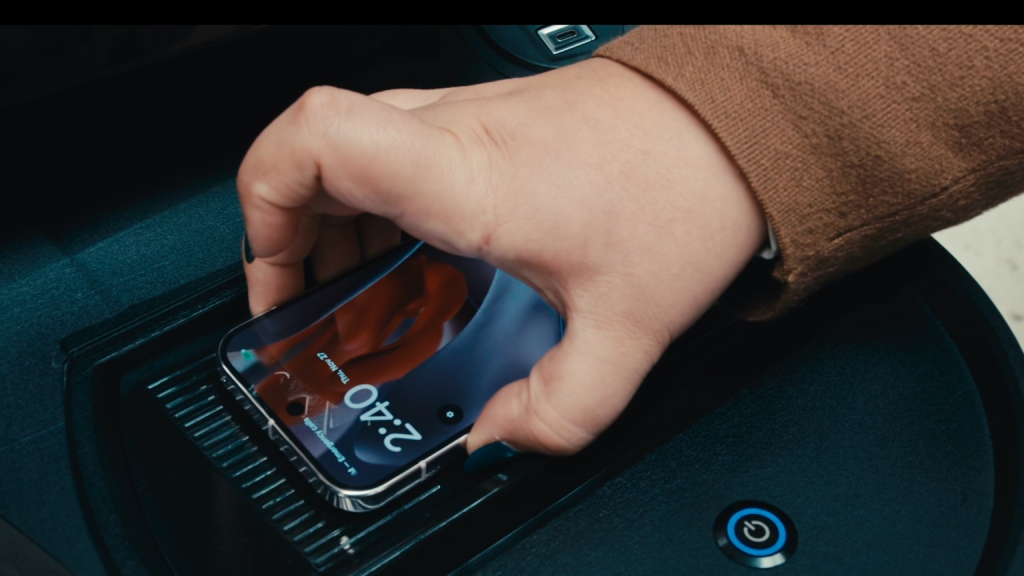
One of our key developments was a new solution for the safe, efficient, and reversible fixation of objects inside the vehicle, fully compatible with induction‑charging systems certified for automotive use. Leveraging additive manufacturing, we experimented with advanced microstructured surfaces and functional designs, enabling disruptive approaches to suction performance. By combining passive nano‑suction technologies with pneumatic systems, we enhanced fixation strength while maintaining complete reversibility—ensuring a seamless and intuitive user experience.
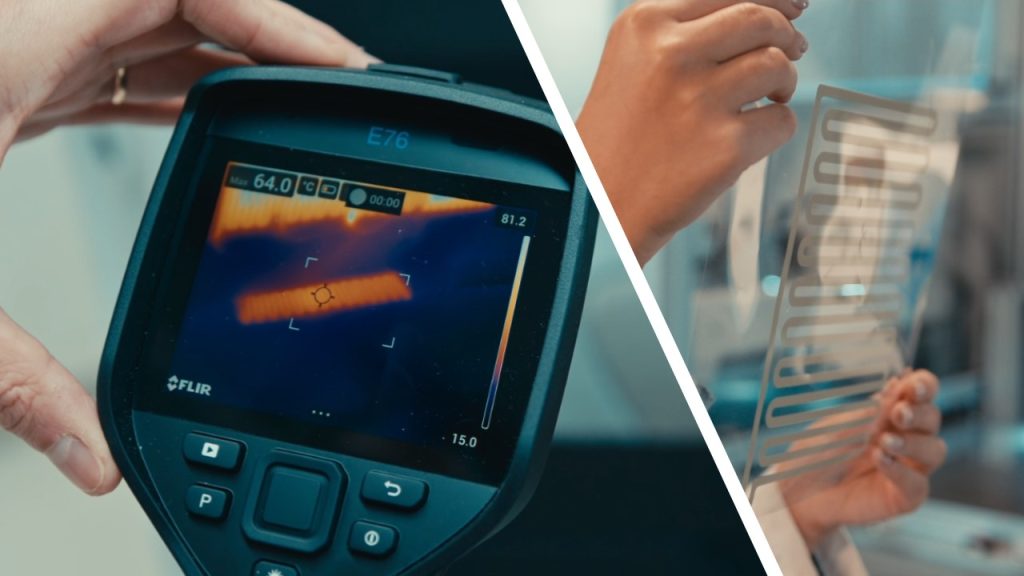
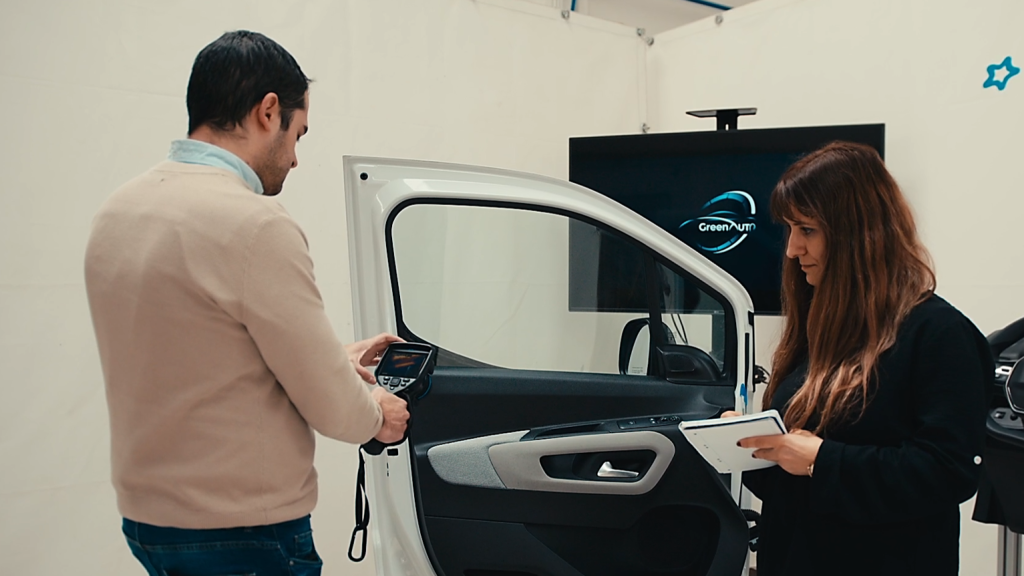
Thermal comfort was another core pillar. We developed new concepts for heating and insulating specific areas of the vehicle interior, creating a “thermal bubble” around the passenger. This localized, on‑demand heating strategy results in significant energy savings and therefore greater range for electric vehicles. Our work included the integration of smart and technical textiles, custom‑printed heating elements, and innovative material combinations to produce optimized and uniform heating without hotspots.
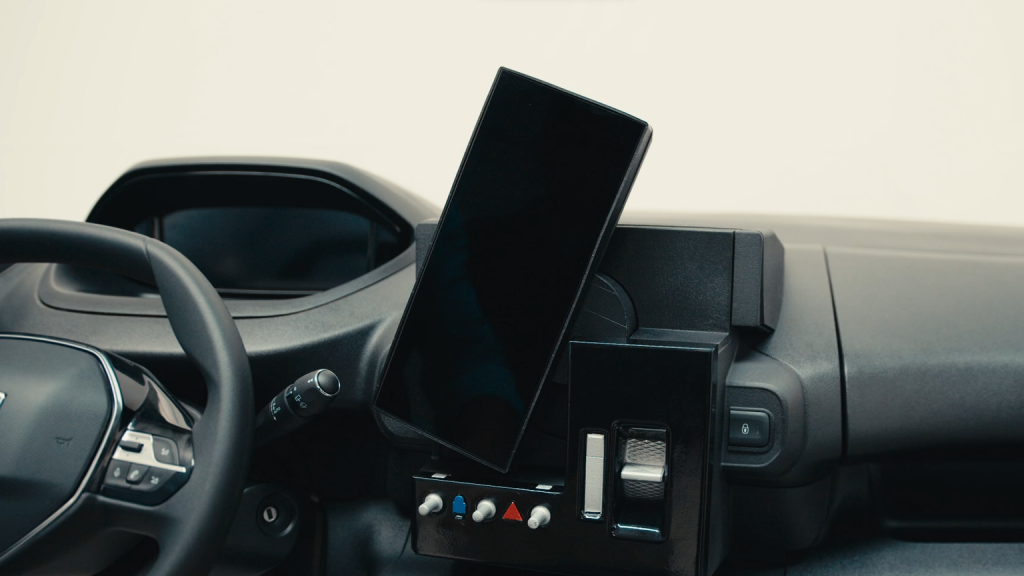
From a mechanical and ergonomic perspective, we explored various kinematic and user‑centered systems, supported by extensive virtual simulation to ensure robust, cost‑effective, and safe solutions. This led to the design of a mechatronically optimized dashboard system capable of smooth rotation between landscape and portrait orientations—transforming technical complexity into a simple, intuitive, and engaging user interaction.
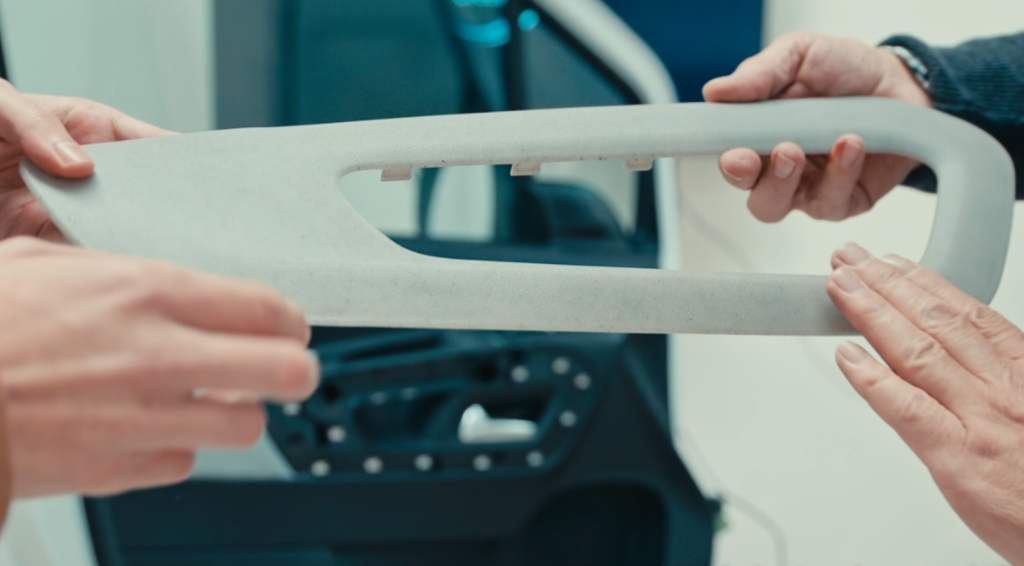
Finally, sustainability was embedded across all developments. The consortium created a portfolio of low‑carbon‑footprint materials, blending organic and inorganic components in hybrid structures that significantly reduce the dependence on fossil‑fuel–derived raw materials. This effort contributes to responsible resource use while supporting a new generation of environmentally conscious automotive interior solutions.
Together, these achievements demonstrate how collaborative innovation can accelerate the transition toward smarter, more sustainable, and more human‑centered mobility. The work accomplished in WP2, PPS2 is a testament to the strength of our consortium and to Portugal’s growing leadership in advanced materials and future‑ready automotive technologies.